Product Description
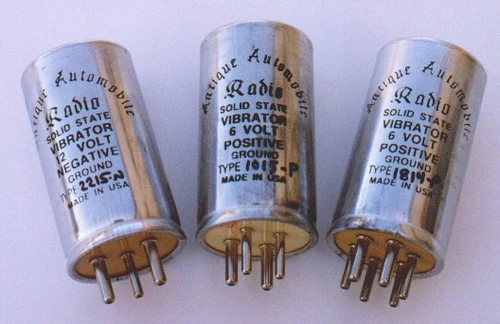
In the realm of vintage car radios, radio vibrators hold a unique and essential role, contributing to the operation and performance of these iconic automotive audio systems. A radio vibrator, also known as a vibratory power supply or vibrator unit, serves as a crucial component in converting direct current (DC) from a vehicle's electrical system into the alternating current (AC) needed to power vacuum tubes within the radio.
During the heyday of vintage car radios, which peaked in popularity during the mid-20th century, most vehicles relied on 6-volt electrical systems. However, the vacuum tubes used in radios required a higher voltage, typically around 100-150 volts, to function optimally. This voltage conversion was achieved through the use of a radio vibrator.
The radio vibrator consists of a small electromechanical device that operates on the principle of electromagnetic induction. When connected to the vehicle's electrical system, the vibrator unit converts the low-voltage DC input into a pulsating or oscillating current. This oscillating current is then fed through a transformer, which steps up the voltage to the required level for the radio's vacuum tubes.
One of the distinctive features of radio vibrators is their characteristic buzzing or humming sound, which is produced by the rapid cycling of the vibrator unit as it switches the polarity of the current. This buzzing noise, often referred to as "vibrator hum," is an inherent part of the vintage car radio experience and adds to the nostalgic charm of these classic audio systems.
Radio vibrators come in various shapes and sizes, depending on the specific radio model and manufacturer. They are typically mounted inside the radio chassis or housed in a separate enclosure, depending on the design of the radio unit.
While modern car radios and audio systems have largely transitioned to solid-state electronics and digital technology, radio vibrators remain an integral part of vintage car radio restoration projects. They play a vital role in preserving the authenticity and functionality of classic car radios, allowing enthusiasts to enjoy the nostalgic sound of AM radio broadcasts while cruising down memory lane in their vintage automobiles.
The auto radios of the 30s, 40s and 50s were made by Motorola, Philco, Bendix, Sylvania, RCA, Zenith, Detrola, Wells-Gardner and others, all of whom had either gone out of business or turned their attention to other ventures, and had abandoned the old car market.
At that time, there were no new vibrators available, and the original ones had a life of about 18 months in regular service. We designed a solid state vibrator and produced it in metal cans with the same base and physical dimensions as the originals. The greatest benefit of the solid state design was its long service life. Indeed many of our first vibrators are still in regular service. Today we sell over 60 different types of vibrators and ship to every corner of the globe.
Radio Vibrator - For Most Models: Frequently Asked Questions
How do I tell you which car it's going in?
Fill in the Year, Make and Model fields when you add it to your cart.
What should I know about the Radio Vibrator - For Most Models?
However, the vacuum tubes used in radios required a higher voltage, typically around 100-150 volts, to function optimally.
Who is this made for?
This voltage conversion was achieved through the use of a radio vibrator.
How is the Radio Vibrator - For Most Models meant to be used?
The radio vibrator consists of a small electromechanical device that operates on the principle of electromagnetic induction.
Why would I choose this Radio Vibrator - For Most Models?
When connected to the vehicle's electrical system, the vibrator unit converts the low-voltage DC input into a pulsating or oscillating current.
Any installation notes for the Radio Vibrator - For Most Models?
This oscillating current is then fed through a transformer, which steps up the voltage to the required level for the radio's vacuum tubes.
Antique Automobile Radio specifications
- Antique Automobile Radio factory-fit reproduction radio (Made in USA manufacturer)
- Preserves original face, knobs, and pushbutton look while adding modern electronics
- AM/FM tuner with Bluetooth (wireless voice and audio — Bluetooth 3.0 + EDR per manufacturer pairing guide)
- Auxiliary input on the rear of the radio; Bluetooth has priority when active
- Designed to fit the original dash opening without cutting metal (vehicle application per listing)
- Designed to work with the original antenna on many applications
- Use modern 4-ohm speakers — do not use original grounded speakers (they will not handle the power/frequency range)
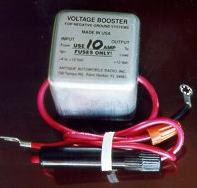
- 12 V negative-ground vehicle electrical systems (use a booster/inverter for other systems when required)
Wiring / tech tips — classic car
From Antique Automobile Radio installation guidance (model manuals):
- Be safe — disconnect one battery terminal until installation is complete.
- Do not operate the radio directly from a battery charger.
- Never use a fuse rated for more than 10 amps.
- Use only 4-ohm speakers; never allow any speaker lead to become grounded when the radio is on.
- Locate antenna jack, AUX input, and line outputs before mounting; bench-test with a charged battery when practical.
Bluetooth pairing: put the radio in Auxiliary mode and follow Antique Automobile Radio pairing instructions (device name appears like AARInc.BT…).
Vintage Car Radio does not offer installation.
Manuals
Use the model PDF packed with your radio when provided. Published sheets we can link:
Manufacturer support: support@radiosforoldcars.com · 800-933-4926 · 727-785-8733.
Warranty
Antique Automobile Radio manufactures these units in the USA. For warranty or service questions, contact support@radiosforoldcars.com or 800-933-4926, or Vintage Car Radio at 844-802-4499 / 574-226-6676 with your order number.
Vintage Car Radio does not offer installation.
FAQ — classic car
Will this fit without cutting the dash?
Antique Automobile Radio designs these to fit the original opening for the titled application (classic car). Compare your dash to the photos.
How do I pair Bluetooth?
See the manufacturer pairing page linked under Manuals. The radio remembers recently paired devices.
Can I keep original speakers?
No — use modern 4-ohm speakers; original grounded speakers are not suitable.
Do you install?
No.
Need help?
844-802-4499 / 574-226-6676, or Antique Automobile Radio support@radiosforoldcars.com.
Specs
Wiring / Tech Tips
Manuals
Warranty
Warranty
Antique Automobile Radio manufactures these units in the USA. For warranty or service questions, contact support@radiosforoldcars.com or 800-933-4926, or Vintage Car Radio at 844-802-4499 / 574-226-6676 with your order number.
Vintage Car Radio does not offer installation.